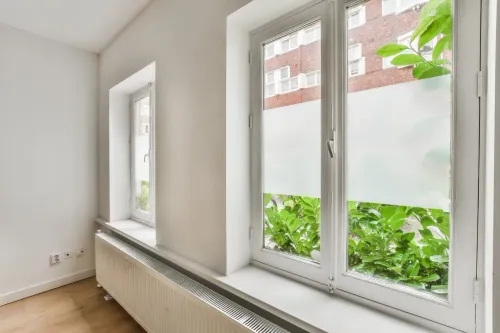


Rainwater entering through windows can damage paint, furniture, flooring and surrounding walls. Persistent leakage may also contribute to dampness and make rooms difficult to maintain.
For properties exposed to Pune's monsoon conditions, waterproof windows need to do more than resist moisture. They must manage wind-driven rain through effective profiles, seals, drainage and installation.
What Actually Makes a Window Water Resistant?
The material used for the frame is only one part of the equation.
UPVC itself does not absorb water like untreated timber, but that alone does not make an entire window waterproof.
A reliable system requires:
- Well-designed frame profiles
- Effective drainage paths
- Quality gaskets
- Properly sealed glass
- Accurate fabrication
- Suitable locking pressure
- Correct installation
Weakness in any of these areas can create a path for water.
Drainage Is Essential
During heavy rainfall, some water may reach external window channels. Well-designed systems include drainage provisions that direct this water toward the exterior.
These drainage openings should remain unobstructed.
Homeowners should periodically check tracks and drainage slots, particularly before and during the monsoon. Dust, leaves and debris can interfere with water discharge.
Gaskets Help Form a Protective Barrier
Gaskets are flexible sealing components positioned between sections of the window.
When the window closes, they help restrict water and air penetration. Damaged, incorrectly positioned or low-quality seals can reduce performance.
This is why the condition of the gasket matters even when the UPVC profile itself remains in good condition.
Installation Requires Equal Attention
Some leakage blamed on windows actually originates around the perimeter of the frame.
If the joint between the window and masonry is inadequately sealed, rainwater can find its way indoors.
Correct installation should account for frame alignment, external sealing, sill conditions and surrounding construction details.
This becomes especially important on exposed elevations of buildings in Pune, Maharashtra, where strong monsoon winds can push rain against windows.
Window Design Should Match Exposure
A sheltered window under a deep balcony does not face the same conditions as a large window installed on an exposed upper floor.
When selecting waterproof windows, consider:
- Direction of prevailing rain
- Height of the building
- Size of the opening
- Presence of external projections
- Wind exposure
- Window opening type
- Surrounding wall condition
This site-specific approach is more useful than choosing every window from a single standard specification.
Maintenance Helps Preserve Performance
UPVC windows are relatively easy to maintain, but they should not be completely ignored.
Before the rainy season:
- Clean tracks and drainage holes.
- Inspect gaskets for visible damage.
- Check whether shutters close properly.
- Examine sealant around the frame.
- Look for cracks in nearby masonry.
- Arrange adjustment if hardware has become loose.
These simple checks can help identify potential problems before sustained rainfall begins.
Avoid Quick Fixes That Hide the Cause
When leakage occurs, applying sealant randomly around the visible area may provide temporary relief without addressing the actual water path.
Water can travel behind finishes before appearing indoors. The visible wet spot may therefore be some distance from the original entry point.
Professional inspection can help distinguish between window leakage, façade cracks, sill problems and surrounding waterproofing failures.
Nutec International manufactures UPVC doors and windows for residential and commercial requirements in Pune. A suitable system should be selected according to opening size, building exposure and expected weather conditions.
For property owners, the key is to look beyond the frame material. Reliable rain protection comes from a combination of thoughtful design, fabrication quality, sealing, drainage and installation. When all of these elements work together, windows can provide far better protection through demanding monsoon conditions.