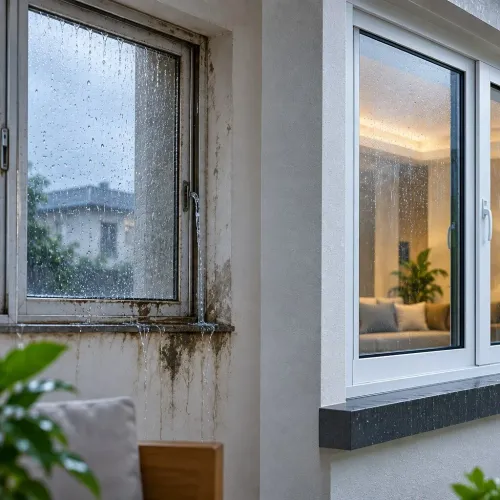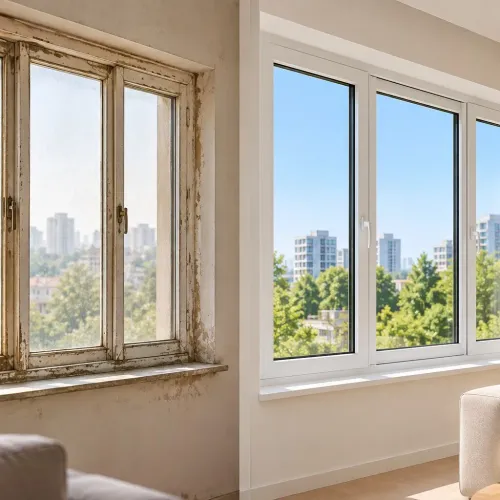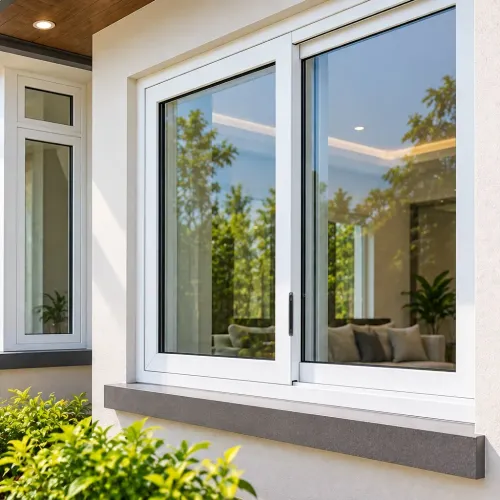
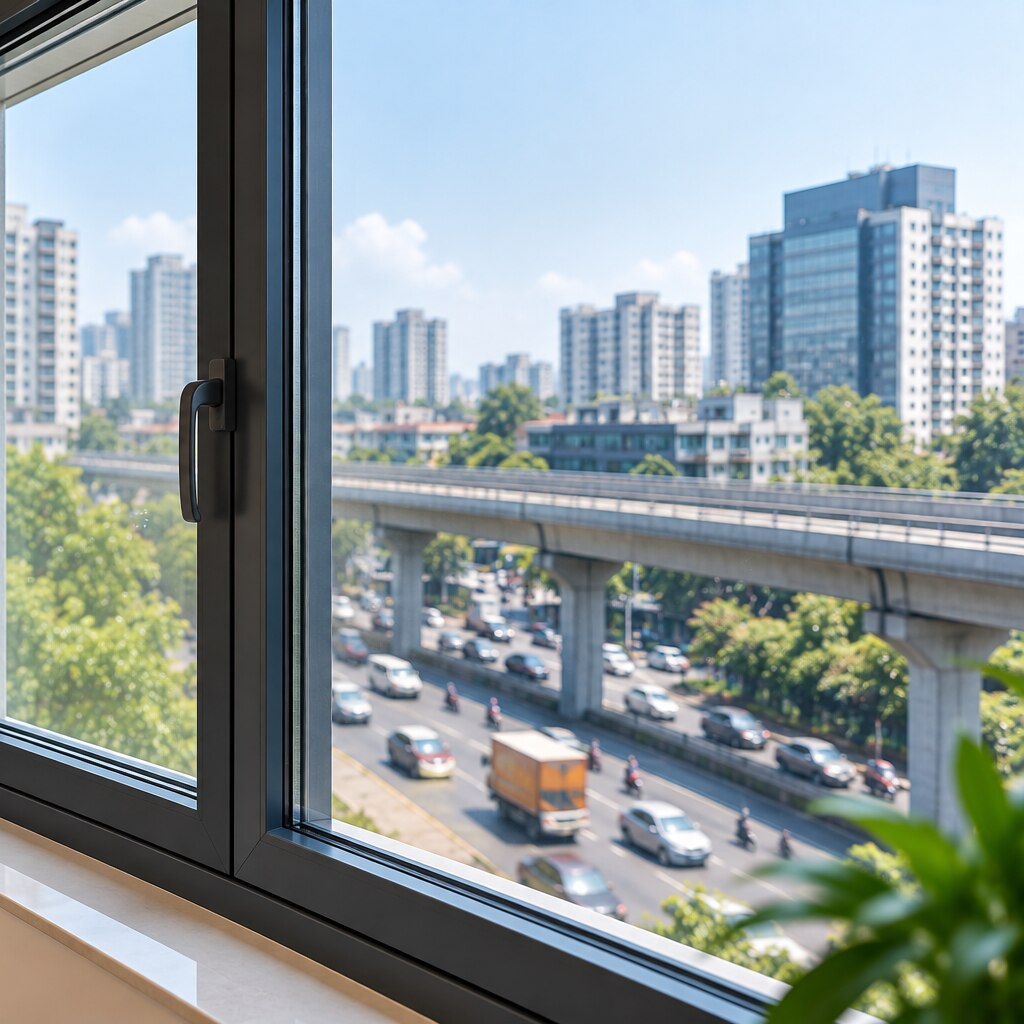
Soundproof windows deliver the most value when a noisy façade is the main path into a room, not when sound is travelling through walls, doors, roofs or ventilation openings. By matching the room, noise source, window construction and installation method, you can identify where replacement glazing will make a practical difference and where another acoustic improvement deserves priority.
Key takeaways
- Prioritise bedrooms, offices and treatment rooms facing roads or other direct noise sources.
- Trace the loudest path before choosing glass, frame and window construction.
- Compare acoustic ratings, air gaps, seals and installation quality—not glass thickness alone.
- Fix doors, vents or lightweight walls first when the window is not the weak point.
Which rooms and properties benefit most from soundproof windows?
Soundproof windows are most useful where outside noise directly interrupts sleep, work, teaching, treatment, hospitality or recording. Prioritise bedrooms facing roads, home offices, classrooms, hospital consultation rooms, hotel bedrooms and recording studios instead of treating every window in a property equally.
| Setting | Typical disruption | Why target the window |
|---|---|---|
| Bedrooms facing roads | Horns, buses, motorcycles and acceleration | Reduces traffic peaks that interrupt sleep |
| Home offices and meeting rooms | Road noise, construction and generators | Protects calls, concentration and speech privacy |
| Classrooms and treatment rooms | Traffic, aircraft and nearby activity | Makes teaching, consultation and listening easier |
| Hotels and apartments near railway lines | Train pass-bys and platform announcements | Limits repeated airborne noise during rest |
| Studios and teleconsultation rooms | Neighbours, vehicles and outdoor voices | Supports cleaner recordings and intelligible speech |
A replacement window helps most when the existing glass, frame or perimeter seal is the façade’s weakest point. Acoustic laminated glass, a sealed UPVC frame and a correctly installed secondary-glazing system can reduce airborne sound, but they cannot stop noise entering through a thin wall, poorly sealed door, roof, floor, vent or open balcony door.
In a commercial property, compare the protected room with quieter elevations before spending on every façade.
How do you find the loudest path and match the window to the noise?
Start with a room-by-room listening check, then inspect the outside façade at the same openings. Stand beside each window, balcony door, exhaust grille and entrance door during quiet periods and peak activity; note where the sound is clearest and whether it arrives through glass, gaps, the wall or the ceiling.
- Record traffic noise during morning and evening peaks, including motorcycles, buses, acceleration and horns. Ask for frequency-band data or a Ctr value rather than relying on one overall decibel figure.
- Check construction noise while drilling, cutting or demolition is underway. A window facing the site needs a tested whole-window assembly, while wall cracks and open service gaps can defeat the improvement.
- Listen for railway noise when trains pass, not only between services. Note rumbling, horn peaks and vibration; low-frequency sound can continue through walls and the building structure.
- Check aircraft noise during the flight periods that disturb sleep or work. Measure at the actual façade because a short quiet reading can understate intermittent overhead events.
- Identify generators, pumps, lifts and loud neighbours. If the source is beside or above the room, the wall, floor, ceiling or service shaft may be the louder path than the window.
Measure outdoor sound at the façade at representative times and compare it with the indoor level. In Pune, do not treat the Central Pollution Control Board’s 55 dB(A) daytime and 45 dB(A) nighttime residential limits as an indoor guarantee.
Choose a window only after confirming that the existing opening is the weak link, then match its tested glass-and-frame assembly to the dominant noise pattern.
Which window construction controls different types of sound?
Construction controls the result, not the glass label alone. Ordinary double glazing, acoustic laminated glass, thicker or asymmetric panes, secondary glazing, and sealed UPVC frames address sound in different ways.
| Option | Acoustic effect | What to check |
|---|---|---|
| Ordinary double glazing | Creates two glass layers, but identical panes can perform poorly at certain frequencies. | Pane thickness, cavity width, airtight seals, and whole-window test data. |
| Acoustic laminated glass | A sound-damping interlayer improves control of traffic and horn noise compared with ordinary glass of the same thickness. | The tested glass specification must match the proposed frame and assembly. |
| Thicker or asymmetric panes | Different pane thicknesses disrupt shared resonances better than two identical panes. | Ask for the complete acoustic specification, not thickness alone. |
| Secondary glazing | Two independently sealed windows with a substantial air space can outperform a conventional replacement. | Preserve airtight seals and prevent rigid bridges between frames. |
| Sealed UPVC frames and compression-sealed sashes | Casement and tilt-and-turn units usually seal more tightly than sliding windows. | Check continuous gaskets, meeting rails, rollers, and brush seals. |
The complete assembly must be tested: glass-only claims do not predict the installed window. A sound-rated unit works with the sash closed, while trickle vents, exhaust fans, open grilles, and poorly sealed frame joints can bypass it. Use acoustically rated ventilation where quiet and fresh air are both required.
What ratings and installation details tell you whether a window will work?
A rating matters only when it describes the complete installed window, not the glass alone. Ask whether the test used the whole frame-and-glass assembly, name the test standard, and confirm whether the result was laboratory-tested or calculated from glass data.
| Rating | What it tells you | How to use it |
|---|---|---|
| Rw | ISO weighted airborne-sound rating | Compare complete assemblies tested to the same standard; do not treat it as a traffic-specific result |
| STC | ASTM rating for airborne sound, weighted toward speech frequencies | Useful for general indoor noise, but insufficient for horns, buses and motorcycles |
| OITC | ASTM Outdoor-Indoor Transmission Class | More relevant than STC for exterior traffic, aircraft and other low-frequency noise |
| Ctr | Low-frequency spectrum adaptation term | Use with Rw where available; it exposes performance against road traffic that a single headline rating can hide |
Do not compare Rw and STC as identical points on one scale. For a Pune road-facing room, request OITC or Rw with Ctr data and frequency-band results, because acceleration and horns are not a steady background hum.
Installation can erase an expensive specification. The frame must fit the opening closely, remain square, and be fixed without preventing the sash from compressing its seals. Seal the entire perimeter continuously on the room side and outside; an unsealed sill, small frame gap, or foam without a durable acoustic seal becomes a flanking path.
Inspect the opening before ordering: repair cracked masonry, loose plaster, voids and unsealed service gaps. A sliding unit needs especially careful attention to meeting rails, rollers and brush seals; a compression-sealed casement or tilt-and-turn design is usually easier to make airtight.
When reviewing a quote from Nutec International, ask for these assembly, test and installation details in writing.
Related product
 | UPVC Doors and Windows - *Space-saving*: Perfect for small rooms or tight spaces - *Low maintenance*: No painting or polishing needed - *Energy-efficient*: Keeps your home... View product → |
When is a soundproof window the wrong first improvement?
A replacement window is the wrong first improvement when noise enters through another route. New glass leaves the dominant path untouched if sound is travelling through the building rather than the opening.
Check these bypasses before approving the window:
- A poorly sealed entrance or balcony door
- A lightweight, cracked, or shared wall
- A roof, ceiling, or floor
- A vent, exhaust fan, or permanently open grille
- Gaps around pipes, cables, frames, or service penetrations
- Structural vibration from traffic, rail movement, generators, or machinery
Start with noise measurement at the actual façade and inside the affected room. Record representative quiet periods and peak periods, because a short measurement between horn bursts can understate the problem. Compare the result for each elevation, then create a façade-by-façade plan that directs money to the loudest entry path.
Remember that a sound-rated window delivers its test performance when closed. Open sashes, trickle vents, and exhaust openings can bypass the glazing. If the room needs fresh air, specify acoustic ventilation rather than leaving a grille open.
Where the wall, door, or structure is the weak point, seal or upgrade that element first; install a replacement window only after measurement shows the window is the main route.
Frequently asked questions
Which rooms and properties benefit most from soundproof windows?
Bedrooms facing roads, home offices, classrooms, hospital consultation rooms, hotel bedrooms and recording studios benefit most when outside noise interrupts sleep, work, teaching, treatment, hospitality or recording.
How do you match a soundproof window to the noise?
Stand inside the room at different times, identify whether traffic, voices, aircraft, machinery or impact noise is loudest, and trace whether it enters through the window, frame, wall, door or ventilation opening.
Which window construction controls different types of sound?
Laminated acoustic glass helps reduce airborne noise, while different glass thicknesses, wider sealed air gaps and tightly sealed multi-chamber frames improve performance across broader sound frequencies.
What ratings and installation details show whether a window will work?
Ask for tested acoustic ratings such as STC or Rw, check the frequency range and test configuration, and verify continuous perimeter seals, correctly sized frames and a properly sealed wall-to-frame joint.
When is a soundproof window the wrong first improvement?
It is the wrong first improvement when noise enters through a door, open vent, thin wall, roof or floor, because upgrading the window will not address the main transmission path.