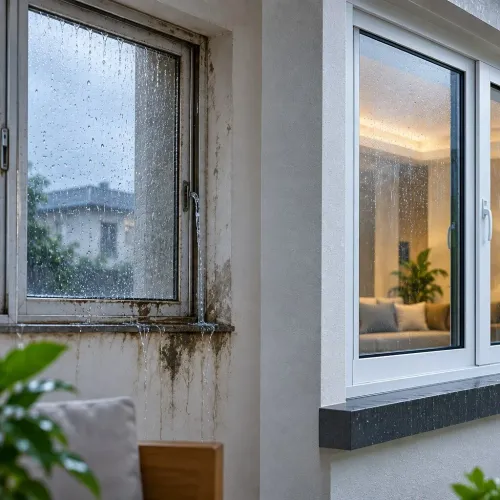
Dust, grit, blocked drainage holes, worn rollers and failed seals can turn a smoothly operating window into a source of drafts, water entry and expensive repairs. By following a simple inspection cycle and recognising early warning signs, you can clean each component safely, prevent avoidable wear and know when adjustment or replacement is needed.
Key takeaways
- Inspect sliding UPVC windows every three months.
- Clear tracks and drainage holes before lubricating hardware.
- Use mild detergent and a soft cloth on frames, glass and screens.
- Call a technician for failed seals or hardware that binds after cleaning.
Build a maintenance schedule you can follow
Inspect a sliding UPVC window every three months, even when it opens smoothly. This interval catches grit, blocked drainage and loose hardware before they turn into difficult repairs.
Use this window maintenance schedule:
- Every three months: wipe visible dirt, check the sill and outside edge, test the sliding action, and look for debris in the tracks and drainage holes.
- Before and after Pune’s monsoon: inspect for standing water, leaks, swollen wall finishes, cracked sealant and damaged gaskets. Heavy rain and wind-driven grit can expose problems quickly.
- Once a year: complete a UPVC window inspection covering rollers, locks, handles, rubber gaskets, glazing edges, perimeter sealant, glass and insect screens.
- Every month in a dusty roadside shop, office or other commercial installation: check the tracks, sill and locking points. Commercial window maintenance needs shorter cleaning intervals because grit accelerates roller and lock wear.
Replace the interval after construction work, unusual dust or severe weather; cement particles and windblown sand can damage moving parts faster than normal household dirt. Keep a dated note of sticking, rattling, failed locks, water marks and gasket gaps so a small change is not mistaken for normal ageing.
A simple photo record also helps you compare the frame after each monsoon.
Clean sliding tracks and keep drainage holes open
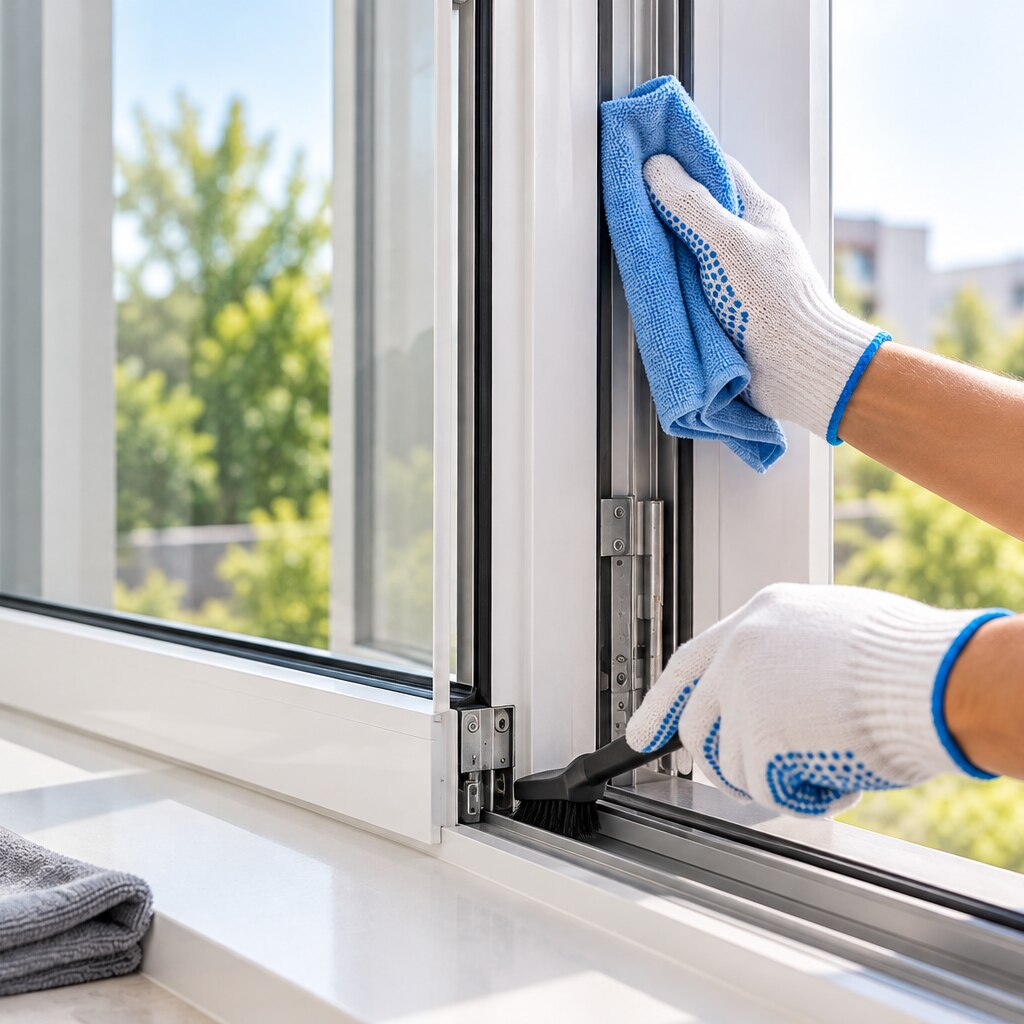
Vacuum the track with a brush attachment before wiping it. Sliding window track cleaning removes loose dust and grit without pushing particles into the window rollers, where they can increase friction and cause uneven movement.
- Open the sash and vacuum both track channels, including the corners.
- Loosen stuck dirt with a soft nylon brush, then wipe the track with a barely damp cloth.
- Remove hair or compacted debris with a wooden stick or plastic scraper. Do not use a knife, screwdriver or metal brush; scratches create rough spots that trap more grit.
- Check the sill and the area outside the frame. Clear anything holding water against the frame, then test that the sash slides smoothly without forcing it.
UPVC drainage holes are small openings along the lower frame that discharge rainwater. Find them on the exterior face or in the sill channel, depending on the frame design. Clear each opening with a soft brush or flexible plastic probe, using gentle pressure; never enlarge the hole or push debris deeper into the frame.
Pour a small amount of clean water into the inner sill channel and confirm that it exits outside through the weep holes. Stop if water remains inside, appears around the wall, or reaches the glazing rebate; a hidden blockage or damaged drainage path needs inspection rather than more probing.
Keep paint, silicone and putty away from these openings.
Wash UPVC frames, glass and insect screens safely
Use lukewarm water, a soft lint-free cloth and a mild UPVC-safe detergent for cleaning UPVC frames and window glass cleaning. Rinse with clean water and dry the surfaces so detergent film does not attract grit or leave marks.
- Avoid abrasive powders, scouring pads, acetone, paint thinner, petrol and other solvents. They can scratch the profile, attack its finish or damage gaskets.
- Keep insect screen cleaning separate from frame washing. Vacuum the mesh with a brush attachment, or wash it gently with water and mild detergent, then let it dry before refitting.
- Do not scrub or stretch insect mesh. Aggressive brushing can pull it from its spline or create gaps that let insects through.
Condensation location changes what the moisture means:
| Location | What it usually means | What to do |
|---|---|---|
| Room-side glass | Humid indoor air has reached a surface below its dew point | Use extractor fans, cross-ventilation or dehumidification; avoid blocking background ventilation |
| Outside glass | The exterior pane is cooler than humid outdoor air; effective glazing can cause this | Monitor it; exterior condensation alone is not evidence of a defect |
| Between panes | The insulating-glass unit’s edge seal has failed | Cleaning cannot remove it; check the warranty and arrange sealed-unit replacement |
Kitchens, bathrooms, indoor clothes drying and poorly ventilated bedrooms raise room-side condensation. Wipe visible water promptly to protect nearby finishes.
Check rollers, locks and handles before forcing the sash
If the sash resists, stop before forcing the handle. Resistance usually indicates grit, poor sliding window alignment, worn window rollers, a distorted sash or a failing lock; force can strip the locking mechanism.
1. Open the sash and inspect the rollers, track, hinges and lock keeps. Look for flat roller surfaces, cracked housings, metal dust, wobbling parts or a sash that sits unevenly in its frame. A rubbing edge and uneven gaps point to alignment or roller wear rather than a handle fault.
2. Clean visible grit before testing the movement. Then apply a small amount of manufacturer-approved, light, non-resinous UPVC window lubricant to roller axles, hinges, lock points and the handle mechanism. Operate each part several times and wipe away excess.
3. Keep lubricant off rubber seals, glass channels, drainage holes and the glazing rebate. Oil in these areas attracts grit, stains the gasket and can interfere with water drainage.
4. Test a loose window handle with the sash open. Tighten its mounting screws gently if the base moves but the spindle still operates the lock; overtightening can damage the frame.
If the handle spins, fails to engage, remains loose or the lock will not fully close, arrange professional repair for the handle, spindle or gearbox.
A technician should also adjust the sash when cleaning and lubrication do not restore smooth movement. Continued forcing turns a correctable alignment problem into broken hardware.
Find failed seals and know when to call a technician
A failed seal leaves a physical clue: the rubber gasket is flattened, brittle, shrunken, loose or no longer elastic when pressed. Replace it with the correct profile; do not cover it with silicone, which can block drainage and make future weather seal replacement harder.
Use these checks to separate seal failure from a ventilation issue:
- Condensation on the room-side glass that wipes away, especially after cooking, bathing or drying clothes, points to high indoor humidity. Ventilate with an exhaust fan, open the room briefly and use a dehumidifier if needed.
- Misted double glazing means moisture sits between the panes, where cleaning cannot reach it. The insulating-glass unit’s edge seal has failed; ask for sealed-unit replacement and check the warranty.
- A cracked, detached or shrunken joint between the frame and wall can cause water leaking around window frame. Re-sealing helps only after you confirm that the sill, flashing, drainage channels and weep holes are working.
- Rain entering despite clear drainage holes, damp plaster, staining below the sill or water inside the glazing rebate needs specialist diagnosis. Do not fill weep holes with silicone or putty.
A failed window gasket normally needs the matching rubber profile, not surface sealant. When ordering from Nutec International, provide the window type, sash dimensions and a photograph of the existing gasket so the profile can be matched before removal.
Call a technician if the seal failure is widespread, the frame is distorted or water returns after the perimeter joint is resealed.
Related product
 | UPVC Doors and Windows - *Space-saving*: Perfect for small rooms or tight spaces - *Low maintenance*: No painting or polishing needed - *Energy-efficient*: Keeps your home... View product → |
Frequently asked questions
How often should you inspect a sliding UPVC window?
Inspect it every three months to catch grit, blocked drainage holes and loose hardware early.
How do you clean sliding window tracks and drainage holes?
Vacuum loose grit, wipe the track with a damp cloth and clear drainage holes without enlarging them.
What is safe to use when washing UPVC frames, glass and insect screens?
Use mild detergent, clean water and a soft cloth; avoid abrasive pads and harsh solvents.
When should you call a window technician?
Call a technician when seals have failed or the sash still binds after cleaning and checking the rollers, lock and handle.