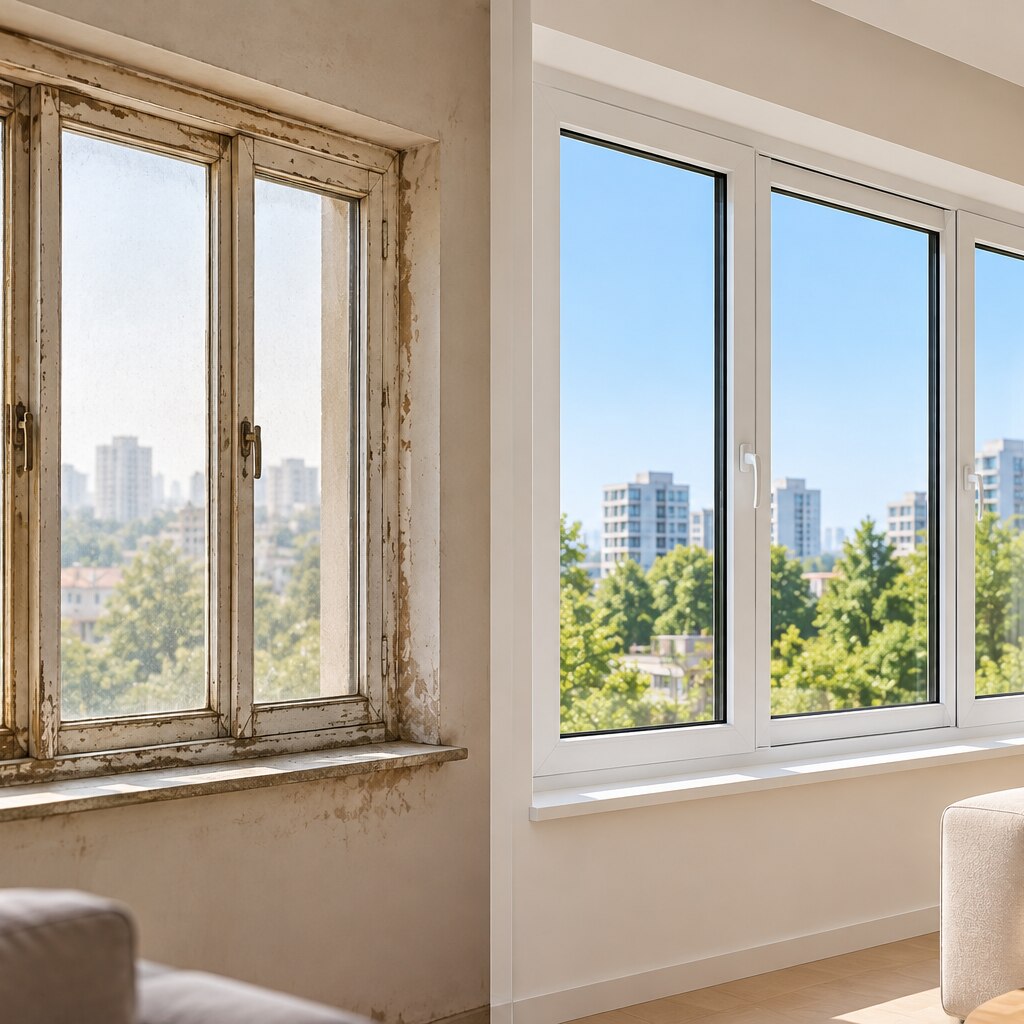
Start with the window’s condition, not its age. By checking the frame, glass, seals, hardware, drainage and installation opening room by room, you can decide whether a small repair is enough or whether replacement will solve a deeper failure.
Key takeaways
- Replace windows with persistent leaks, unsafe operation or failed frames.
- Repair worn handles, seals and hardware when the frame remains sound.
- Inspect each room for noise, heat, dust and moisture problems.
- Confirm opening sizes, drainage paths and installation work before ordering.
Use this inspection checklist before deciding
Age alone does not justify replacement: inspect whether the window remains square, weather-tight, operable and secure. A 20-year-old uPVC window can remain serviceable, while a newer one can fail after water entry or distorted hardware.
- Look for persistent fogging or droplets between panes. This indicates failed window seals; replace the sealed glass unit if the frame remains sound.
- Run a hand around the closed sash. Draughts point to worn gaskets, poor adjustment or a distorted sash.
- Check the frame and sash for cracks, open joints, corrosion, or a warped frame. These failures are stronger replacement evidence than faded surfaces.
- Press exposed timber with a screwdriver. Soft, crumbling sections indicate rotten timber windows rather than a cleaning problem.
- Open and close every sash. Sticking, rubbing, or a sash that will not stay square can mean hardware repair or frame replacement.
- Test every lock and keep. A window that cannot lock securely is a safety defect.
- Inspect the inside sill after rain, but clear drainage holes before blaming the frame. Blocked holes, failed sealant, missing flashing or masonry leaks can create water ingress without requiring a new window.
| Sign | Likely remedy | Replacement signal |
|---|---|---|
| Worn gasket or hinge | Repair part | No |
| Failed sealed glass unit | Replace glass unit | Sound frame |
| Cracked or badly distorted frame | Complete window | Yes |
| Soft structural timber | Replace affected assembly | Usually yes |
Separate a repairable fault from a replacement-level failure
Persistent fogging or droplets between panes usually mean the insulated-glass-unit seal has failed, not that the entire window has failed. If the frame remains square, dry and firmly fixed, replace window glass by fitting a new sealed unit.
Choose a part-level fix when the frame and opening remain sound:
- Replace window glass when the sealed cavity has failed, the pane is cracked, or the glazing no longer meets safety needs near doors or at low level.
- Replace sash or shutter when it is damaged or warped but the frame remains square and replacement parts are available.
- Repair worn gaskets, rollers, hinges, locking keeps or weatherstripping when the sash closes evenly after adjustment.
- Free a stuck sash after checking paint buildup, dirt, swollen timber or misaligned hardware before ordering a new window.
Choose full window frame replacement when the frame is cracked, badly distorted, rotten, corroded, or repeatedly allows water through the opening. Replacement is also justified when the sash cannot be made square, hardware is unavailable, or the existing frame cannot support secure locking and proper drainage.
A full window frame replacement removes more trim and creates more installation work, so age alone is not enough; a 20-year-old frame can remain serviceable if it is square, dry and repairable.
Assess each room, not just the age of the windows
Age is only one input. A room-by-room window assessment should match each room’s moisture, safety, exposure and ventilation demands with the window age and maintenance history.
- Bedroom: Prioritise draughts, secure locking, outside noise and overnight condensation. Condensation on the room-side glass points to indoor humidity, cold glazing or poor ventilation; condensation between panes points to a failed insulated-glass seal.
- Kitchen: Check whether cooking vapour reaches the glass, whether the extractor vents outdoors, and whether grease has damaged seals or hardware. Replacing the window will not solve moisture caused by weak extraction.
- Bathroom: Look for mould, peeling finishes and water ingress around the sill and frame. Compare the window’s ventilation with the room’s bathing routine before blaming the glazing for persistent dampness.
- Balcony: Inspect drainage holes, sill slope, perimeter sealant and the frame’s resistance to wind-driven rain. Blocked drainage can cause interior leaks without requiring a complete window replacement.
- Street-facing room: Judge traffic noise by the frame’s airtightness, installation gaps, glass thickness and laminated or asymmetric glazing—not by the word “double” alone. A small unsealed gap can defeat an expensive acoustic unit.
This assessment separates a failed component from a room-wide moisture or installation problem. Fix the cause before ordering a replacement.
Compare the replacement design with what you already have
Compare the whole window, not just the glass. Record the frame material, opening style, glass build-up, ventilation need, sun exposure and installation quality before choosing.
| Option | Main advantage | Trade-offs and checks |
|---|---|---|
| Single-glazed windows | Lower initial complexity and weight | Poorer heat and noise control; upgrading helps only when the frame and perimeter seals are airtight |
| Double-glazed windows | Better insulation when the cavity, coatings and edge spacer are correctly specified | Not automatically cooler or quieter; compare whole-window U-factor and solar heat-gain coefficient, not centre-of-glass claims |
| Aluminium frames | Slim, strong and low-maintenance | Conduct heat readily unless thermally improved; check thermal breaks, seals and condensation risk |
| Timber frames | Warm appearance and useful insulation | Need regular coating and moisture control; swelling, rot and neglected joints affect operation |
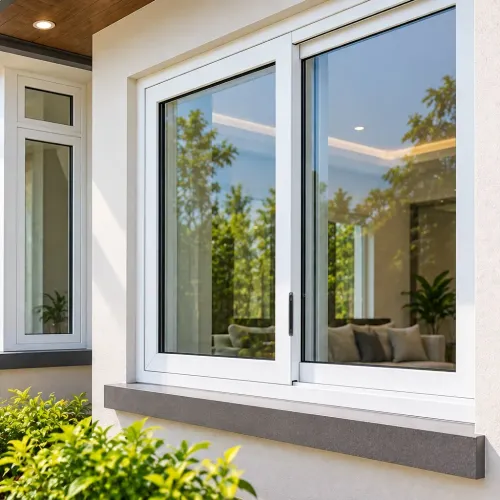
| Sliding windows | Compact operation with no inward swing | Sliding window trade-offs include weaker compression seals, limited opening area and harder track cleaning |
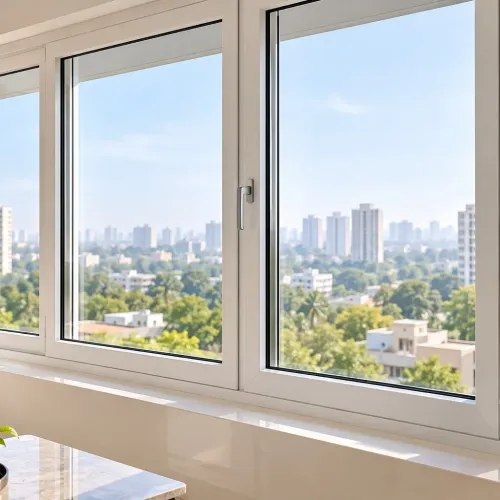
| Casement windows | Tight compression seal and larger ventilation opening | Need clear swing space; hinges, handles and sash weight require sound fixing |
For traffic noise, specify glass thickness, unequal pane thickness or laminated acoustic glass, then verify the frame seal and installation gap. A tiny unsealed perimeter gap can defeat expensive glazing. Choose solar-control or low-emissivity coatings only after checking orientation, shading and daylight; double glazing is not automatically the best choice for every room.
Check the opening, drainage and installation scope before ordering
Measure the actual structural opening, not the old window’s nominal size, and confirm how the new frame will be supported, sealed and drained. Record the window opening width and height at several points because masonry can be out of square.
Also check the frame depth against the wall thickness, and inspect whether the existing sill condition can support the replacement without retaining water.
- Remove or inspect the old frame enough to identify uneven masonry, loose plaster and concealed gaps. Do not size the replacement by copying the old frame.
- Check every drainage hole for blockage and confirm that the proposed frame directs water outward. Never allow sealant, mortar or expanding foam to seal these paths.
- Ask for the fixing method, packer locations, perimeter gap, backing material and exterior sealant specification. Filling a large gap with sealant alone will not create a stable, watertight installation.
- Require the quotation to state whether it includes removal, disposal, reveal repairs, sill finishing, internal trim, exterior sealing, screens, blinds and testing after installation.
Whether you choose Nutec International or another installer, ask for measured opening dimensions and photographs of the sill and drainage paths before ordering. A smoke-pencil or tissue check can locate existing draughts, but it cannot prove water tightness; inspect the installation during rain or use a controlled water test after sealing.
Related product
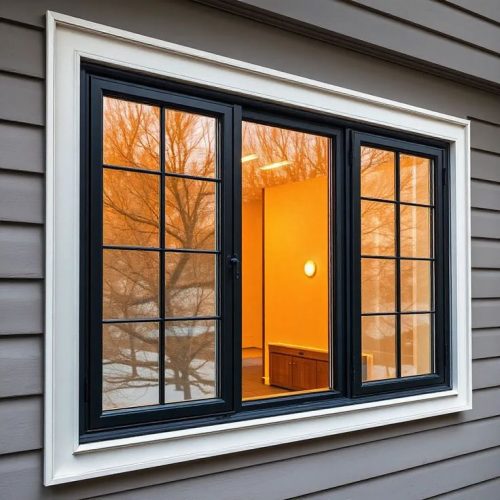 | UPVC Doors and Windows - *Space-saving*: Perfect for small rooms or tight spaces - *Low maintenance*: No painting or polishing needed - *Energy-efficient*: Keeps your home... View product → |
Use the inspection results to make a defensible decision
Make the decision from failure evidence, not the installation date. Record photographs, measurements, locations and whether the fault remains after adjustment; that turns a window replacement checklist into a defensible scope.
- Repair the window when the frame is square and sound, but worn weatherstripping, hinges, rollers, locking keeps or unsafe locking hardware cause the problem. Confirm that the sash closes evenly and the drainage paths remain open.
- Replace only the glass when persistent fogging or droplets appear between panes but the frame and sash remain straight, dry and secure. Specify safety glass where the location requires impact protection; thermal performance does not decide this requirement.
- Replace the sash when the frame is sound but the sash is rotten, warped, cracked or unable to hold its glass and seals. Verify that a matching sash and compatible hardware are available.
- Install a complete new window when the frame is cracked or badly distorted, the opening repeatedly admits water, the sash cannot be squared, or replacement parts are unavailable. Include removal, making good and exterior sealing in the scope.
Judge the quotation by whole-window performance, not centre-of-glass figures. A sound installation with documented drainage and sealing is stronger evidence than a low window-only price.
Frequently asked questions
How do you know whether an old window needs replacement?
Replace it when the frame is distorted, unsafe, persistently leaky or beyond practical hardware repair. Age alone is not enough.
Which window problems can be repaired?
Repair worn handles, hinges, locks, weather seals and minor adjustment faults when the frame remains square, secure and weather-tight.
Should you assess every room before replacing windows?
Yes. Record each room’s drafts, water entry, outside noise, heat, dust and ventilation needs instead of judging every window by the oldest unit.
What should you check before ordering replacement windows?
Check the structural opening, sill condition, drainage paths, reveal depth, opening direction, frame dimensions and the installation work required.