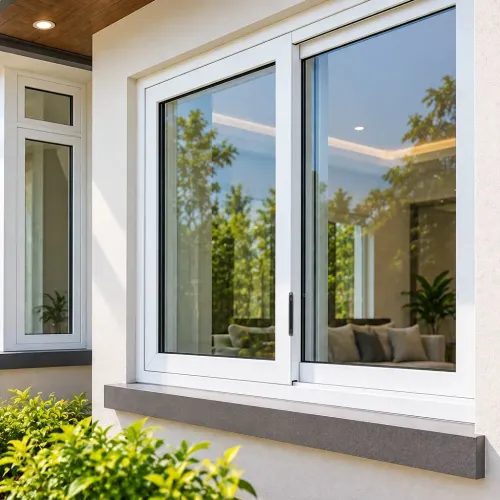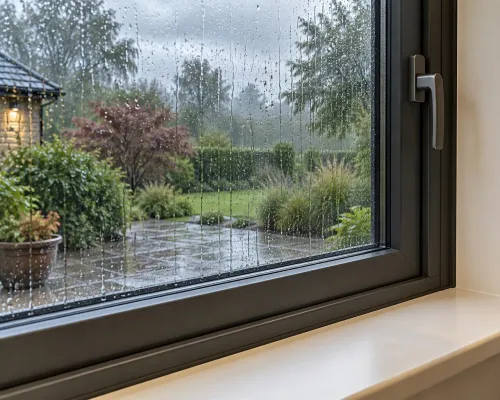

UPVC windows can provide years of practical service, but their performance depends heavily on specification, fabrication and installation. Choosing solely by appearance or price can lead to problems such as difficult operation, poor sealing, water leakage and disappointing noise reduction.
Knowing the most common buying mistakes can make the selection process much easier.
Choosing Only by Lowest Price
Two windows of identical dimensions can have very different specifications.
Differences may include profile construction, reinforcement, glass, gaskets, hardware and installation.
Instead of comparing only the quotation total, ask suppliers to provide enough specification detail to make a like-for-like comparison.
Ignoring Glass Selection
The glass occupies a large percentage of most windows, so it strongly influences performance.
Homeowners may require different glazing for different purposes, including:
- Noise reduction
- Solar control
- Safety
- Privacy
- Thermal performance
Using the same basic glass throughout a property may not be appropriate.
Assuming Every UPVC Window Is Soundproof
UPVC is a frame material, not a guarantee of acoustic performance.
Sound reduction depends on glazing, seals, locking, window design and installation.
If soundproof windows are a priority, discuss the actual noise problem and request an appropriate system rather than relying on a generic UPVC specification.
Overlooking Rain Exposure
Windows installed on exposed elevations require careful consideration of drainage and sealing.
During Pune's monsoon season, wind-driven rain can test window joints and surrounding masonry.
Waterproof windows should therefore be evaluated as complete systems incorporating suitable drainage, gaskets and installation details.
Selecting the Wrong Opening Type
A large window chosen purely for visual appeal may become inconvenient to operate.
Consider furniture placement, curtain arrangements, ventilation requirements and available movement space before deciding between sliding, casement or other configurations.
Architects and homeowners should also account for cleaning access and safety.
Ignoring Dust Infiltration
For properties near busy roads and construction activity, dust control may be a significant priority.
Ask how the proposed window closes and seals.
Dustproof performance is affected by profile interlocking, gasket design, hardware and installation quality. Small gaps can allow considerable dust to enter over time.
Neglecting Hardware Quality
Handles, rollers, hinges and locking mechanisms are used repeatedly throughout the life of a window.
Poor hardware can make an otherwise good frame difficult to operate.
For large shutters in particular, hardware should be suitable for the dimensions and weight of the glass.
Skipping Accurate Site Measurement
Windows manufactured from inaccurate measurements may require excessive adjustment during installation.
Professional measurement should account for actual opening dimensions and site conditions.
Builders should ideally coordinate measurements with the window manufacturer at the correct stage of construction.
Forgetting After-Sales Requirements
Windows contain moving components that may occasionally require adjustment or replacement.
Before purchasing, understand warranty coverage and the availability of service support.
Nutec International manufactures UPVC doors and windows for residential and commercial projects in Pune, Maharashtra. A detailed discussion of opening sizes, site exposure and expected performance can help establish the correct specification before fabrication begins.
The most reliable window decisions are based on the complete system. Frame quality matters, but so do glass, seals, hardware and installation.
Avoiding these common mistakes helps property owners focus on real performance and long-term usability rather than selecting a window that merely looks suitable in a catalogue.
Keywords