Choosing doors for a new home or renovation involves balancing appearance, maintenance, weather resistance and everyday usability. Wood, aluminium and UPVC each have characteristics that suit different applications.
Understanding these differences helps property owners choose a door according to where it will be installed rather than simply following a material trend.
Maintenance Requirements Differ
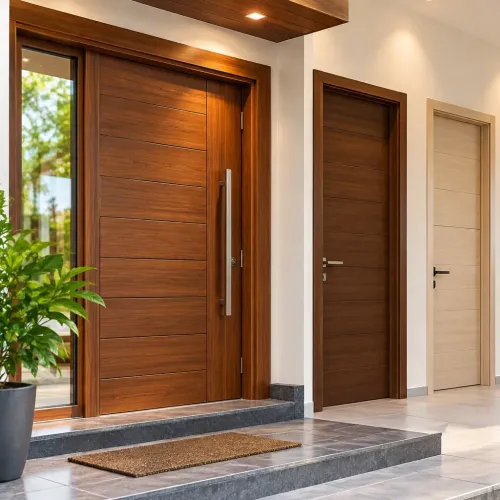
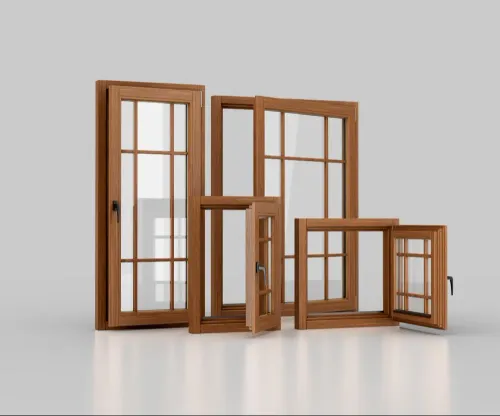
Wooden doors offer a distinctive natural appearance, but exposed timber may require periodic polishing, painting or protective treatment.
Aluminium generally requires less surface maintenance and is widely used for contemporary architectural applications.
UPVC doors are also comparatively low maintenance. Routine cleaning is usually straightforward, and the material does not require polishing in the way natural timber commonly does.
For busy homeowners and commercial properties, reduced maintenance can be a meaningful practical advantage.
Moisture Exposure Matters
Door location should influence material selection.
An internal bedroom door operates in very different conditions from a balcony or terrace door exposed to rain and humidity.
UPVC does not rot due to moisture absorption, making it useful for suitable exterior applications. However, weather performance still depends on the full system, including seals, drainage, fabrication and installation.
This is relevant in Pune, Maharashtra, where doors installed on exposed balconies may encounter substantial rainfall during the monsoon.
Consider Sealing Performance
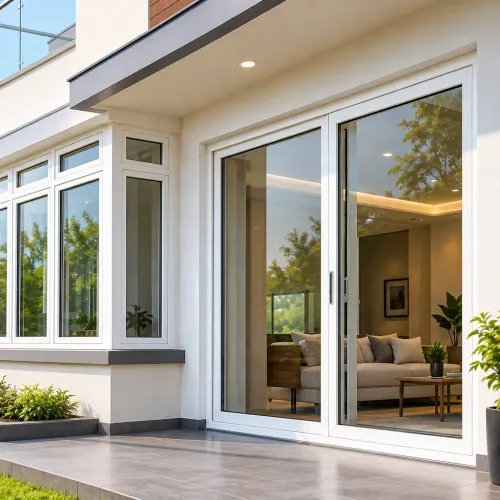
Doors leading to balconies, gardens or terraces may need to restrict dust, rainwater and outside noise.
An engineered UPVC door can incorporate gaskets and locking systems that create a controlled closure.
Performance will vary according to door style and specification, so buyers should evaluate the complete assembly rather than assuming every UPVC door provides identical sealing.
Thermal Comfort Can Influence Selection
Doors containing large glass areas can affect indoor temperatures.
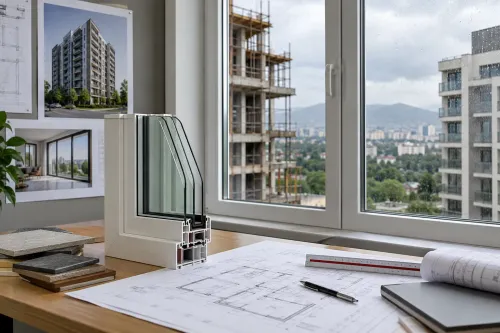
UPVC profiles have relatively low thermal conductivity compared with metal frames. Glazing selection also influences heat transfer significantly.
For large balcony doors exposed to strong sunlight, suitable glass can be just as important as the frame.
Aesthetics Should Match the Architecture
Traditional timber may be preferred where natural grain is central to the interior design.
Aluminium suits many slim-profile contemporary applications.
UPVC systems are available in various configurations and finishes that can complement modern homes, apartments and commercial buildings.
Rather than asking which material looks best universally, consider the architecture, opening size and surrounding finishes.
Evaluate Long-Term Ownership
Purchase price is only one component of door cost.
Long-term considerations include:
- Maintenance
- Hardware replacement
- Surface refinishing
- Weather-related deterioration
- Cleaning
- Energy performance
- Expected service conditions
A material that costs less initially may require greater maintenance over time, while another may justify a different upfront investment through reduced upkeep.
Match the Door to Its Function
Before selecting a system, define what the door must achieve.
For example, a balcony door may require weather protection and a large glazed area. A commercial entrance may prioritize frequent operation. A terrace opening may require stronger sealing, while an internal partition may prioritize aesthetics.
Nutec International manufactures UPVC doors and windows for residential and commercial applications in Pune. The appropriate configuration should be based on dimensions, operating frequency, exposure and required performance.
There is no single door material that is automatically right for every property. UPVC becomes particularly relevant when low maintenance, moisture resistance and sealing are important priorities.
Comparing materials according to actual site conditions gives homeowners, architects and builders a clearer basis for selection and helps ensure the installed door continues to suit the property after years of everyday use.
Keywords